Feature film shot with Blackmagic Pocket Cinema Camera 6K Pro and finished in DaVinci Resolve Studio.
Fremont, CA, USA - Blackmagic Design today announced that director Jengil Park’s debut feature film, Poem of Flower Rain, was shot using the Blackmagic Pocket Cinema Camera 6K Pro digital film camera and finished in DaVinci Resolve Studio editing, grading, visual effects (VFX) and audio post production software. The DaVinci Resolve Speed Editor was also used for editing.
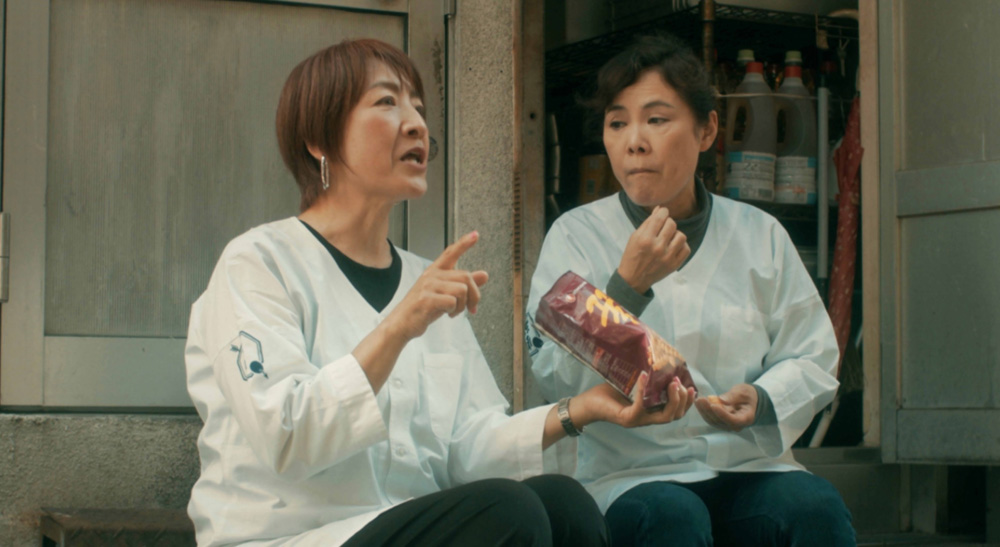
Poem of Flower Rain is the first feature film directed by Park, a Zainichi Korean (Korean resident in Japan) filmmaker. The story follows Harumi, a Korean university student in Japan, and her sister Reiko, who is considering marriage to her Japanese boyfriend. Together, they face a series of small but meaningful conflicts with their mother, a second generation Korean resident in Japan, and the people around them. The film won the Audience Award at the SKIP CITY International D-Cinema Festival, known as a gateway for emerging filmmakers in Japan, and has also received acclaim at other festivals.
“I explored the theme of my own identity, but the film was not made for people of a specific nationality, ethnicity, or social position,” said Park. “I wanted to express the inner conflicts and uncertainties that everyone experiences, as well as the walls that can arise in communication with others, through the characters.”
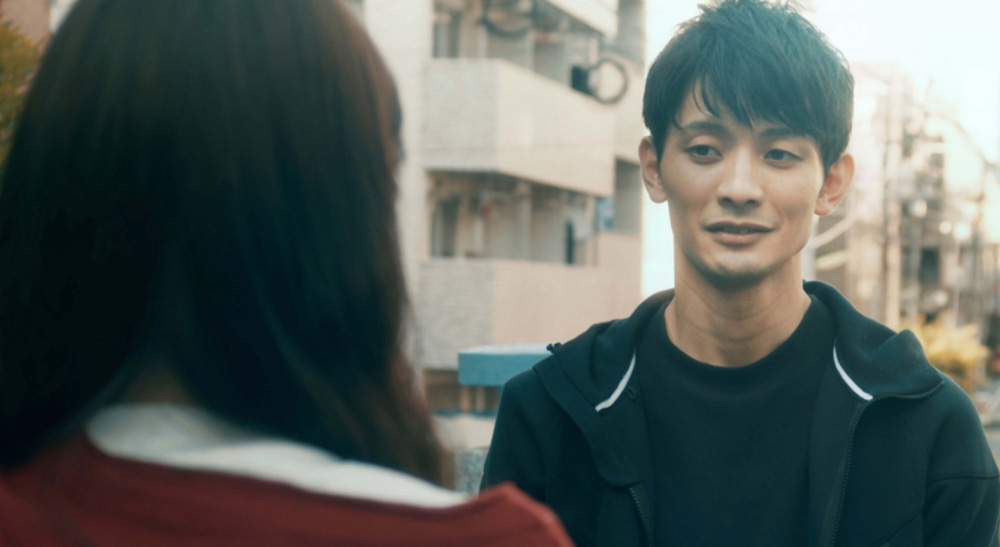
Park continued: “Although I had a completed script, I didn’t have enough budget to make a feature film. But when cinematographer Takahashi read the script, he said, ‘We absolutely have to make this,’ and even purchased the Pocket Cinema Camera 6K Pro himself for the project.”
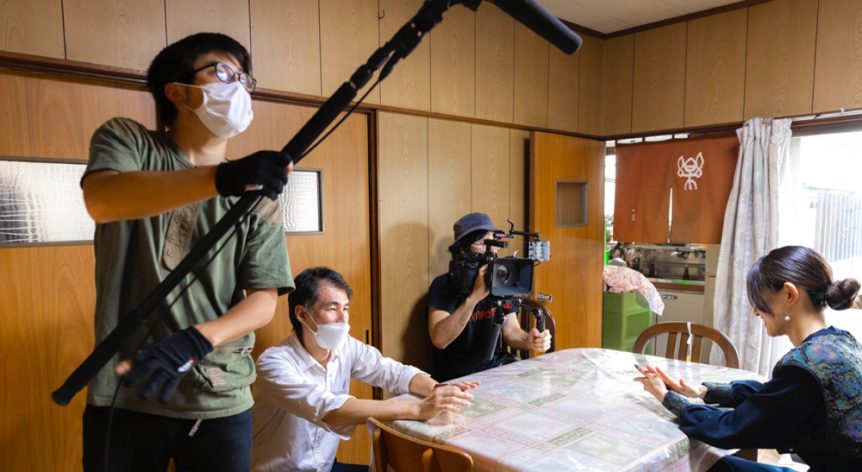
With a limited budget and schedule, the production greatly benefited from the Pocket Cinema Camera 6K Pro’s compact size and versatile features.
“When the equipment is compact, you don’t need a large vehicle for transportation, and it makes shooting in small spaces much easier. With limited shooting time, there were moments on set when we couldn’t fine tune the framing. We shot everything in 6K and finished in 4K, refining the images in post production. The built in ND filters also contributed greatly to efficient shooting,” explained Park.
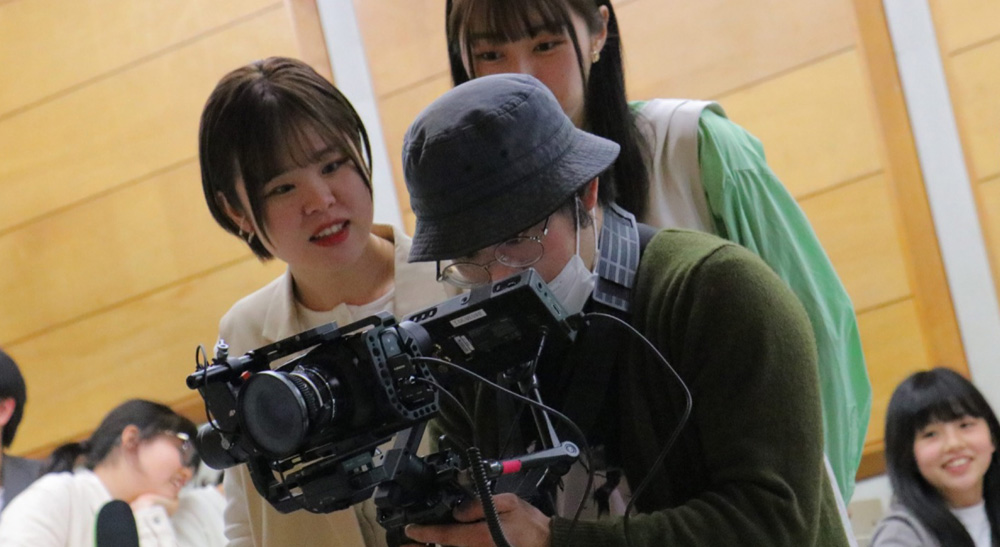
Post production was completed in DaVinci Resolve Studio, with the Speed Editor assisting during editing.
“Takahashi also handled the grading. He graded all the footage and shared the project data with me, and I did the editing. Because we were both working in the same software, the workflow from grading to editing was very smooth. Using the Speed Editor also made editing much easier,” Park said.
Park concluded: “My film was screened at various festivals, and I believe it may have been the lowest budget production among them. But compared to films with much larger budgets, we were able to achieve a quality that stands on its own. As a director, that was very rewarding, and I’m grateful to Takahashi for choosing this camera for the project.”